.svg)

Posted on
July 22, 2026


What your members experience in your club determines whether they stay or leave. Not your pricing, not your square footage, not your number of machines. This guide gives you practical levers to improve the daily visit experience, even with little budget and little time.
There is one thing fitness club managers often have in common: they know their club better than anyone else. The machines, the schedules, the rates, the constraints. But paradoxically, that is often what makes it difficult to see what members experience on a daily basis.
When you spend hours in a place every week, you no longer look at it through the eyes of someone entering for the first time. You no longer notice the smell in the locker room, the cluttered bulletin board, or the machine with the screen that has been flickering for three weeks. Your members, however, do see it. And they take it into account.
Improving the member experience doesn't necessarily mean launching a major renovation project. It often means fixing the little things you are no longer used to seeing, and reinforcing what is already creating value without you always realizing it.
1. What members really remember about their visit
Ask someone what they think of their gym. They won't talk to you about the number of treadmills or the floor space. They will talk to you about how they feel when they are there. The atmosphere. The welcome. The fact that it's clean, that it's convenient, that the coaches know their name.
These are the elements that create attachment. And it is attachment that creates loyalty. Here are the five dimensions that come up most often in member feedback, both positive and negative.
The human element: the quality of the welcome, the availability of the coaches, the feeling of being recognized. This is often the first factor cited in positive reviews, and one of the first in departures.
Cleanliness: the locker rooms, the equipment, the floors. It’s not glamorous, but it is fundamental. A clean club inspires confidence. A neglected club, even with beautiful equipment, creates discomfort.
The atmosphere: feel comfortable, motivated, and free from pressure or judgment. A supportive atmosphere is a real competitive advantage, especially for beginners who might be hesitant to walk through the door.
Practicality: accessibility, ease of finding belongings, comfortable locker rooms, and the little services that make a visit smoother. These might seem like details to you, but they shape your members' experience every time they visit.
Perceived progress: do members feel like they are moving forward? You don't need intensive tracking to create this feeling. Sometimes, a coach saying "you're making great progress" at the right moment is enough to change their perception.
What this means for you
If you want to improve the experience at your club, start with these five dimensions. Ask yourself honestly: which one am I truly strong in? Where do I have gaps? The answers will give you your action plan.
2. Walk in your members' shoes
There is a simple exercise that few managers do, yet it changes a great deal: retrace a member's entire journey, from entry to exit, while trying to forget everything you already know.
You push the door open. Is it welcoming? Does someone look up and say hello? Do you know where to go if it's your first time? Are the locker rooms clean and easy to use? Can you find what you need without asking? And when you leave, do you want to come back?
Do this exercise yourself once a month. But also have someone who doesn't know your club do it—a friend or a new member—and ask for honest feedback right after their first session. You will hear things you never would have imagined.
The most common friction points
In most clubs, pain points tend to cluster in the same areas. Here are the most common ones, along with simple ways to address them.
The front desk welcome: if the person at the front desk is busy or has their back to the door, members enter without being seen. A simple protocol is all it takes: no matter what, greet everyone who walks in.
Signage: New members often don't know where the changing rooms are, how the lockers work, or where the water fountain is located. A simple map at the entrance or a five-minute tour eliminates this discomfort right from the start.
Changing rooms: This is the most sensitive area in terms of hygiene. An extra cleaning pass during peak hours, enough hooks, and regularly emptied trash cans—these adjustments don't cost much and have a direct impact on perception.
Out-of-order machines: A machine that's been broken for days with just a sticky note on it sends a negative message. If you can't fix it quickly, remove it or cover it neatly and post a return date if you have one. It shows you're on top of things.
The exit: The departure is often overlooked. Yet, it's the last impression a member takes with them. A goodbye, a smile, or perhaps a comment about their workout—these simple gestures end the visit on a positive note.
Pro tip:
Once a week, ask a team member to walk through the club through the eyes of a first-time visitor. Five minutes is enough. Note what catches the eye, what's missing, and what's broken or dirty. This habit alone will surface many irritants before they become problems.
Read also: Decoding Gen Z habits in gyms
3. Human connection, your main competitive advantage
Large fitness chains have budgets, space, and equipment that many independent clubs can't match. But they rarely have what small clubs can offer naturally: a genuine human connection.
This is your advantage. And it's also something that can be lost very quickly if you don't actively cultivate it.
What to do in practice:
- Train the team to memorize names. It sounds basic, but it's one of the most powerful ways to make someone feel like they belong. A member called by their first name feels recognized. An anonymous member feels interchangeable.
- Do informal check-ins on goals. Not a formal review, just a "how's it going for you lately?" slipped into a natural interaction. Members appreciate being cared about beyond their subscription.
- Celebrate small wins. Someone who lost their first few pounds, came in five times this week, or mastered an exercise they've been struggling with for a long time. These moments deserve to be noticed and acknowledged.
- Avoid scripts. A team that greets people mechanically creates distance. Let your coaches and front-desk staff be warm in their own way, within the framework you've defined.
The first-name test
Next time you're at your club, count how many times a member is called by their first name by a staff member within an hour. If it's zero or once, you have a simple, immediately actionable area for improvement.
4. Cleanliness is not a detail
In member feedback for gyms, cleanliness consistently ranks in the top three satisfaction criteria. It is also one of the primary reasons cited for leaving a club.
This isn't about aesthetics; it's about trust. A member who finds the showers dirty or the equipment poorly maintained subconsciously feels that the club doesn't care about them. And that impression carries over to everything else.
Priority areas to monitor
- Locker rooms and showers, especially during peak hours. An extra cleaning pass in the middle of the day and late afternoon makes a big difference.
- Equipment: bike seats, mats, machine handles. Accessible spray and paper towels encourage members to clean up after use, but the staff must also do regular rounds.
- Training area floors. Footprints, dust under machines, and out-of-the-way corners. These are the areas members notice, even if they don't always say so.
- The reception area and front desk. It's the first thing people see when they walk in. If it's cluttered or dusty, it sets the tone for the rest of the club.
To ensure cleanliness is maintained consistently, a simple internal checklist with tasks and times is enough. A chart with checkboxes and a person responsible for each slot. Nothing more.
5. Atmosphere is built, not found
A club's atmosphere doesn't just happen on its own. It is the result of dozens of small decisions: the music, the lighting, how coaches interact with members, and the presence or absence of judgment among people.
And it is something you manage, whether you like it or not. If you don't take charge of it, the atmosphere will be whatever the members make of it. If you cultivate it consciously, it becomes a real asset for your club.
What creates a great atmosphere
- Music: it should match your members' profiles, not your personal taste. Ask your members what they prefer. A quick survey on a tablet at the front desk takes five minutes to set up.
- Lighting: light that is too cold or too harsh creates discomfort. Well-balanced lighting in training areas provides energy without being overwhelming.
- Kindness among members: it starts with the team setting the example. If the coaches are approachable, warm, and inclusive, the members will be too. If the team is cold or distant, the club will follow suit.
- A non-judgmental environment: this is especially important for beginners and those returning to exercise after a long break. A club where you feel comfortable in your own skin, regardless of your fitness level, is a club you want to return to.
A question to ask your members:
"How do you feel when you're in our club?" Ask this question to five different members this week, in an informal way. Their answers will tell you more about the real atmosphere than any satisfaction survey ever could.
6. Practicality: the little details that matter more than you think
There are elements of the member experience that seem secondary but, if missing, create real frustration. These are the practical details: everything that either simplifies or complicates their daily routine.
These elements don't often come up in direct conversations. But they show up in online reviews, informal feedback, and, most importantly, in behavior. A member who has a seamless experience returns more often than one who deals with minor friction during every visit.
The most accessible levers for practicality
- Lockers: there should be enough of them, they should be easy to use, and the locking system must work. Nothing starts a workout off worse than a jammed locker or a stubborn padlock.
- Water fountains or bottle-filling stations: this is a basic amenity that many clubs underestimate. A member who has to go looking for water outside the club leaves with a simple but real sense of frustration.
- Wi-Fi: more and more members train using apps, videos, or streaming music. Reliable, functional Wi-Fi has become an expectation, not a luxury.
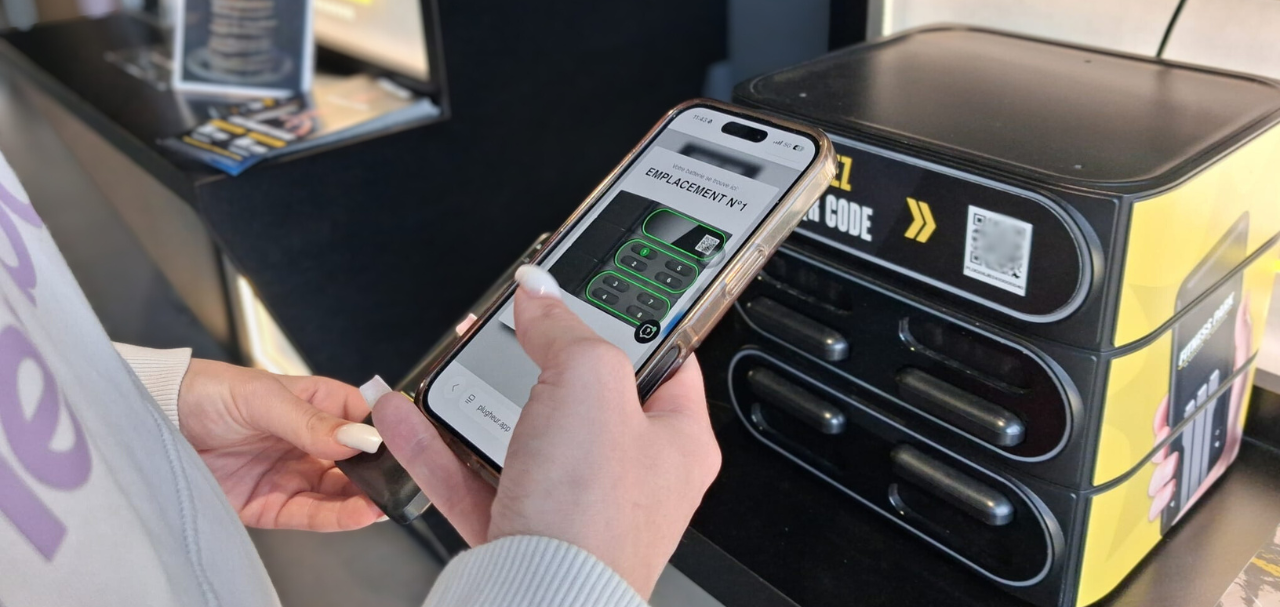
- Phone charging: members use their phones as training tools. They sometimes arrive with low battery and leave with a dead phone. Charging solutions available in the gym address a concrete need that many members mention spontaneously in their feedback.
- Equipment storage: dumbbells in the right order, mats stacked neatly, resistance bands hung in their proper place. A tidy space is a space where people feel comfortable and spend less time looking for what they need.
The rule of small details:
A single missing element won't make a member leave. But several small points of friction accumulated during a single visit create a degraded experience. And it is this sum of irritants that eventually weighs on the decision to stay or go.
Read also: 50,000 members satisfied with the Plug’Heur mobile charging service
7. Make everyone feel like they are making progress
Progress is one of the main reasons people join a gym. It is also one of the primary reasons they quit: they stop seeing results, or they never felt like they were making any in the first place.
The problem is that real progress is often hard for members to see for themselves. They don't necessarily track their strength, endurance, or body composition. Your role is to make that progress visible. It doesn't have to be with sophisticated tools. Often, a simple word is enough.
What you can do in practice
- Train coaches to verbalize the progress they observe, even the smallest bits. "You're lifting heavier than a month ago," "your form has really improved," "you're recovering much faster than before." These observations, when spoken aloud, change their perception.
- Offer a simple 3-month check-in for new members. It doesn't have to be a full body composition analysis. Just a few questions: Do you feel better? Are you sleeping better? Do you have more energy? These subjective indicators are often the most motivating.
- Create moments of recognition. A consistency board, a shout-out on social media for someone who reached a goal, or a mention in a group class for someone who is improving. These gestures strengthen their sense of belonging to the club.
- Discuss goals right from sign-up. If you know what each member is looking for, you can show them they are moving in the right direction. If you don't know, you can't provide that value.
8. Read what your members are telling you without saying a word
Your members are constantly sending you signals. Not always with words, but often through their behavior: Do they stay after their workout? Do they talk to other members? Do they bring friends? Do they leave positive reviews spontaneously?
These behaviors tell you much more about the real experience than any survey. Learn to read them.
Positive signals to cultivate
They stay after their workout: a member who hangs around after training, chatting with a coach or other members, is a member who is attached to the space. It is a very strong sign of loyalty.
They bring someone along: spontaneous recommendation is the best indicator of satisfaction. If your members talk about your club to their friends and family and bring them in, it means the experience is up to par.
They leave a review without being asked: An unsolicited, detailed review is gold. Read it carefully. What the person chose to mention is what truly mattered to them.
They ask questions about classes or services: A curious and engaged member is someone who wants to be part of what’s happening in your club. It’s a sign of interest that should be nurtured.
Warning signs to watch for
They leave quickly after their workout, every single time: They do what they came for and leave. They aren't attached to the space, just the service. This profile is more easily lured away by a competitor's offer.
They don't talk to anyone: Isolation in the gym is a churn factor. If a member comes regularly but doesn't build any connections, they have no emotional reason to stay.
They ask questions about cancellation or contract terms: It’s rarely out of simple curiosity. It’s almost always a sign that they are considering leaving.
9. Where to start this week
The member experience is improved through small, successive touches. No need to redo everything at once. Here is a simple sequence to get started.
This week
- Walk through your club’s entire journey through the eyes of a first-time member. Note everything that bothers you or makes you wonder.
- Ask a team member to do the same exercise and compare your feedback.
- Identify the easiest friction point to fix and resolve it before the end of the week.
This month
- Implement a standard greeting protocol: say hello to everyone who enters and goodbye to everyone who leaves.
- Create a simple cleaning checklist with scheduled times and assigned responsibilities.
- Ask five different members "how do you feel here?" and take note of their responses.
This quarter
- Choose one of the five dimensions (people, cleanliness, atmosphere, convenience, progress) and work on it in depth with your team.
- Review your latest Google reviews and look for recurring keywords. They tell you what your members really take away from their experience.
- Track the change in your average rating and retention rate over the quarter to verify that your changes are having an impact.
In summary
Member experience is the sum of everything someone feels from the moment they walk through your door until the moment they leave. And it is this sum that determines whether or not someone returns.
The clubs that stand out aren't necessarily the ones with the most space or the best equipment. They are the ones where people feel comfortable, recognized, and like they belong. And that is within your reach, regardless of your club's size.
Start with one point, truly improve it, then move on to the next. Experience is built gradually, and every improvement you make is reflected in your members' behavior.
A practical service to improve daily convenience
Among the details that make a difference in the member experience, phone charging comes up more and more often in member feedback. Most use their phones as a training tool, and leaving with a dead battery after a workout is a small frustration that adds up.
Plug'Heur offers self-service portable battery stations, available directly in your club. Members borrow a battery, charge their phone during their workout, and return it before leaving. No management required on your part, just a tangible service your members will appreciate.
Learn more: www.plugheur.com
FAQ: How can you improve the member experience in a fitness club?
1. How can you improve the member experience in a fitness club?
To improve the member experience, you should prioritize five key areas: personal welcome, cleanliness, atmosphere, club convenience, and the perception of progress. These daily elements directly influence member satisfaction and their desire to return.
2. What makes members stay at a gym?
What keeps members coming back isn't just the price or the equipment. It’s primarily about feeling good in the club, being recognized by the team, feeling comfortable in the environment, and having a seamless experience every time they visit.
3. What are the friction points that degrade the experience in a fitness club?
The most common friction points are a cold welcome, poorly maintained locker rooms, unclear signage, out-of-order machines, a lack of convenient amenities, and a neglected exit process. Individually, these details may seem minor. Combined, they significantly degrade the member experience.
4. How do I know if the member experience is good in my gym?
The simplest way is to observe the club as a new member would: the entrance, reception, locker rooms, flow, atmosphere, and exit. You can also review Google reviews, ask for immediate feedback after a first session, and look for positive behaviors: members who stay after their workout, talk to the team, visit regularly, or recommend the club.
5. How can I improve the welcome in a fitness club without a big budget?
A stronger welcome often comes down to simple actions: saying hello to everyone who enters and goodbye to everyone who leaves, using members' first names, conducting informal check-ins, and making the team more accessible. These are low-cost adjustments that have a powerful impact on how the club is perceived.
6. Why is cleanliness so important to the member experience?
Cleanliness directly influences trust. A dirty locker room, a neglected shower, or a cluttered counter gives the impression that the club is poorly managed. Conversely, a clean and well-maintained environment provides reassurance and reinforces the perceived quality of the entire experience.
7. Which practical services really improve the experience in a gym?
The most useful services are often the simplest: functional lockers, a water fountain, Wi-Fi, well-organized equipment, clear signage, and phone charging solutions. These details make visits smoother and reduce daily frustrations.
8. How can I make members feel like they are progressing in my club?
To reinforce the perception of progress, you need to verbalize the results you observe, hold regular check-ins, remind them of the goals set at the start, and celebrate small wins. A member who sees their progress is much more likely to stay engaged over the long term.
Capture their data!
Capture them hot!